Introduction
What’s up, beauties! I thought we would stroll down history lane for my third blog post. Beauty standards have long been integral to society, yet they are anything but fixed. Throughout history, these standards have shifted, mirroring the values and ideals of the times. From the aesthetics of ancient civilizations to contemporary views, the concept of beauty has undergone a remarkable evolution. This blog post delves into the historical progression of societal standards of beauty.
Ancient Beauty Standards: From Symmetry to Proportions
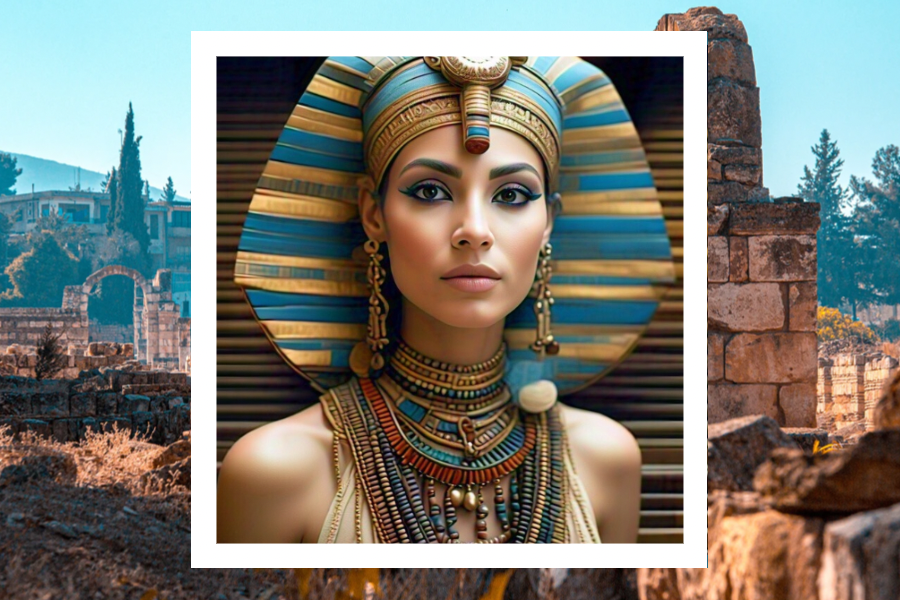
In ancient civilizations, beauty was often associated with symmetry and proportionality. The Ancient Greeks, for example, valued physical perfection. As a result, they believed that a harmonious balance of features was the epitome of beauty. Sculptures and artwork from this era depict individuals with well-proportioned bodies and symmetrical facial features.
Similarly, in ancient Egypt, beauty was closely linked to physical symmetry. Both men and women adorned themselves with cosmetics and jewelry to enhance their features and achieve a sense of balance. The ideal beauty in Egyptian society was characterized by smooth skin, almond-shaped eyes, and a slender physique. These ancient beauty ideals reflected the cultural values of the time, thus emphasizing the importance of physical harmony and balance.
The Renaissance: Embracing Natural Beauty
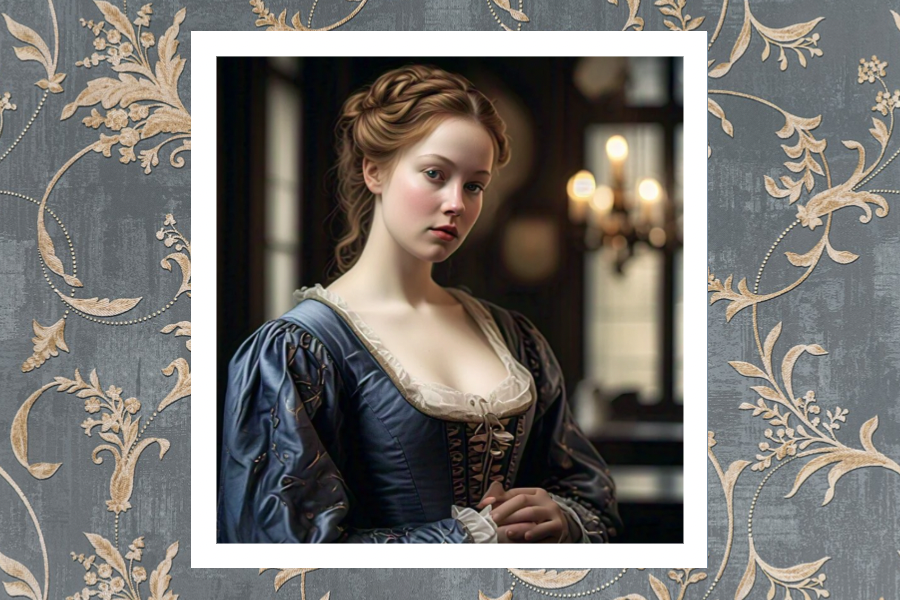
The Renaissance period marked a shift in beauty ideals, with a greater emphasis on natural beauty. Artists and thinkers of this era celebrated the human form and sought to capture its essence in their works. The ideal beauty during the Renaissance was characterized by softness, grace, and a natural appearance.
Women were encouraged to have fair complexions, rosy cheeks, and a slender but curvaceous figure. The emphasis was on looking healthy and vibrant, rather than conforming to strict standards of symmetry or proportionality. During this time, beauty was also associated with intelligence and education. For this reason, women were encouraged to cultivate their minds and engage in intellectual pursuits. After all, doing so added to their overall attractiveness.
PSST… Have you caught a Renaissance vibe? If you’re seeking a more natural appearance, check out my blog post on how to achieve the ultimate natural “no-makeup” look with makeup!
The Victorian Era: Restrictive Beauty Standards and Idealized Femininity
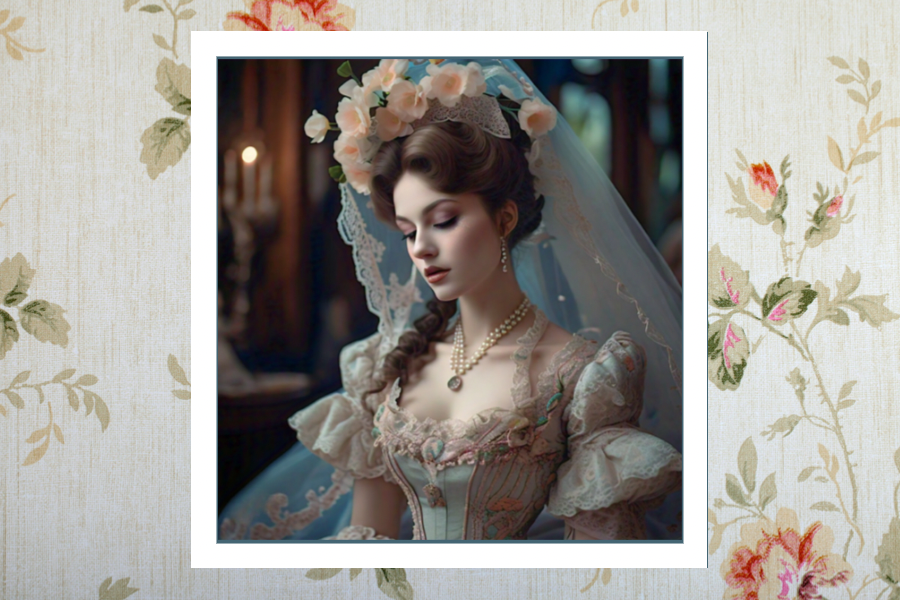
The Victorian era brought about a significant shift in beauty standards, particularly for women. While the Renaissance celebrated natural beauty, the Victorian era imposed stricter standards and ideals of femininity. During this time, women were expected to have a pale complexion, a small waist, and an hourglass figure. Corsets were commonly worn to achieve the desired hourglass shape, often at the expense of comfort and health.
The quintessential Victorian woman was perceived as delicate, fragile, and submissive, mirroring the societal norms and expectations of the era. Women were seen primarily as ornamental figures and expected to adhere to rigid gender roles. Unfortunately, this often resulted in feelings of helplessness and a diminished sense of purpose for women.
The 20th Century: A Decade-by-Decade Breakdown
10s [The Gibson Girl]:

In the 1910s, the ideal beauty standards for women were epitomized by the “Gibson Girl,” a creation of artist Charles Dana Gibson. This archetype represented a blend of slenderness and voluptuousness. In essence, it was characterized by a thin waist, ample bust, and wide hips. Much like the Victorian Era, this physique was often achieved through corsets.
The Gibson Girl was seen as both fragile and independent, embodying the “New Woman” of the era who was gaining more social freedoms. The goal of this look was to appear sophisticated as well as natural. Women used minimal makeup and styled their hair in soft, voluminous waves or upswept styles. The overall aesthetic was one of elegance and poise, thus reflecting the societal values and fashion trends of the time.
20s [The Flapper of the Iconic Roaring 20s]
The "Flapper":
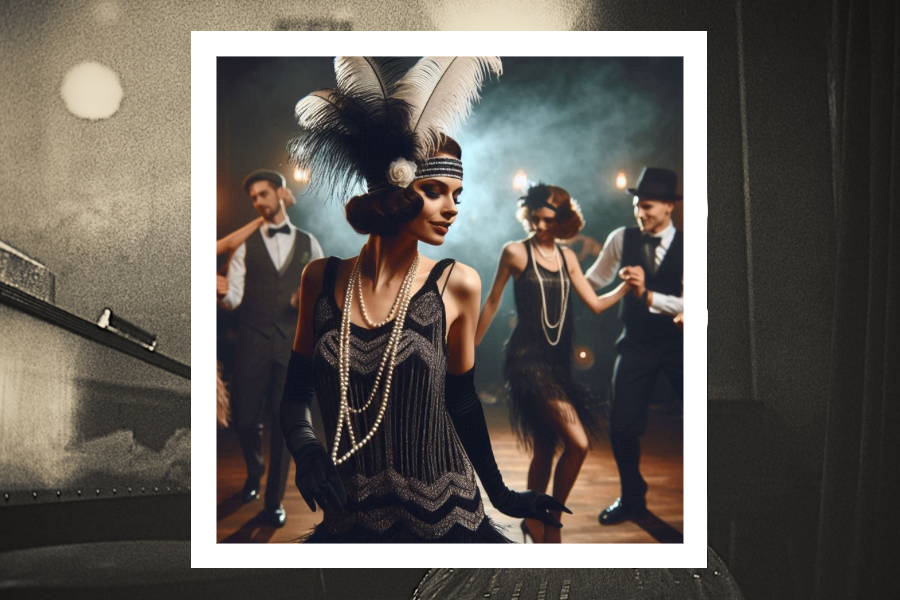
In the Roaring Twenties, beauty ideals underwent a dramatic transformation reflecting the era’s spirit of liberation and modernity. The ideal woman was epitomized by the “flapper”—a young, fashionable woman who embraced a more androgynous look. This included a boyish figure with a flat chest and slim hips, a stark contrast to the curvaceous silhouettes of previous decades.
The Flapper's Style:
Short bobbed haircuts became the rage, symbolizing women’s newfound independence and rejection of traditional norms. Makeup also saw a revolution, with bold, dramatic looks becoming popular. Women sported dark, kohl-rimmed eyes, thin eyebrows, and vibrant red lips, inspired by Hollywood stars like Clara Bow. Shout out to my fellow Swifties out there who also recently learned who that was, thanks to Taylor’s song, “Clara Bow,” on her most recent album.
The flapper’s style was completed with shorter hemlines, often revealing the knees, and loose, drop-waist dresses that allowed for freedom of movement, perfect for dancing the Charleston. This era’s beauty ideals were not just about appearance but also about expressing a new social freedom and breaking away from the constraints of the past. GO GIRL!
30s [Hollywood Glamour]:
All Eyes on Hollywood:
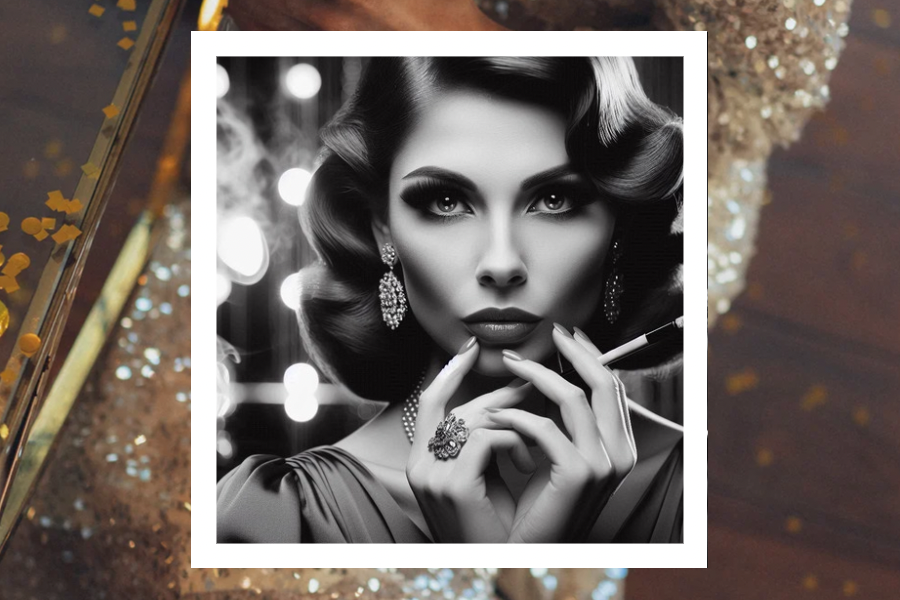
In the 1930s, beauty ideals were heavily influenced by the glamour of Hollywood. The ideal look was characterized by a more refined and sophisticated appearance compared to the bold styles of the 1920s. Women aspired to emulate the elegance of movie stars, such as Greta Garbo, Marlene Dietrich, and Jean Harlow.
Makeup Trends:
Makeup trends of the 1930s included thin, highly arched eyebrows, which were often penciled in to achieve a dramatic look. Eyes were accentuated with softer, more natural shades of eyeshadow, moving away from the heavy kohl of the previous decade. Mascara was used to create long, luscious lashes, and the introduction of cake mascara made this easier to achieve. Lips were typically painted in deep, rich shades of red, emphasizing a well-defined Cupid’s bow.
Overall Aesthetic:
The overall aesthetic was one of understated glamour, with a focus on enhancing natural features rather than creating bold, dramatic contrasts. This era also saw the rise of more practical beauty routines, as the Great Depression influenced women to be more resourceful with their beauty products.
40s [WWII/Hollywood Influence]:
Boosting Morale:
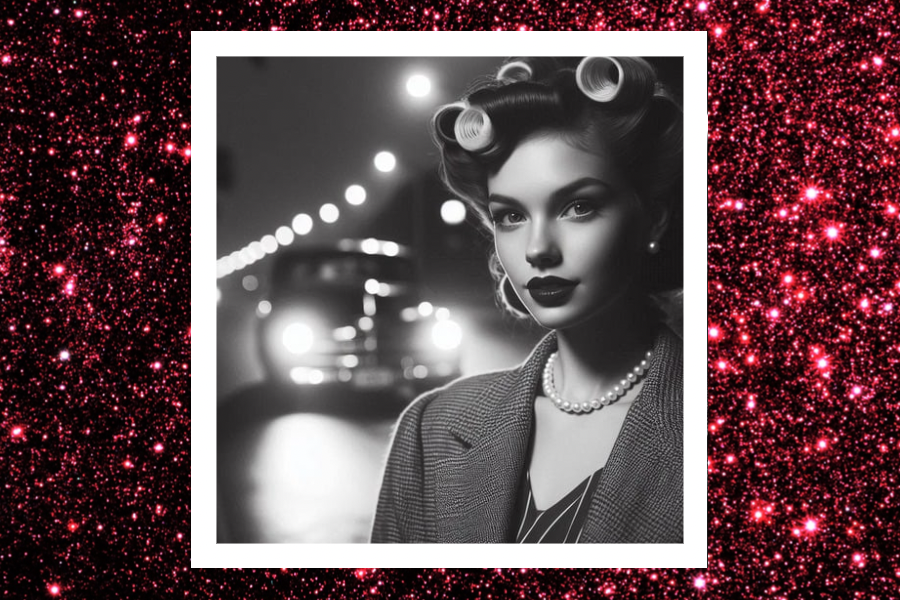
During the 1940s, beauty standards were greatly shaped by the circumstances of World War II and, as in the preceding era, by the allure of Hollywood. Women were encouraged to maintain a polished and confident appearance to boost morale both on the home front and for those fighting overseas. The ideal look was characterized by a blend of practicality and elegance.
40s Trends:
Makeup trends included thin, highly arched eyebrows, which were meticulously groomed and penciled in. Eyes were subtly enhanced with light shading on the eyelids and black or brown eyeliner applied to the top lash line. Red lipstick was a staple, symbolizing resilience and femininity, often worn in a full, luscious style or shaped into a defined Cupid’s bow.
Hairstyles featured confident up-dos, such as victory rolls, which were practical for women working in factories yet stylish enough to reflect the era’s glamour. Despite wartime rationing, women found creative ways to maintain their beauty routines, using alternatives like beet juice for lipstick and homemade solutions for other cosmetics. The overall aesthetic of the 1940s was one of resourcefulness and understated glamour, reflecting both the challenges and the resilient spirit of the time.
50s [Ultra-Femininity]:
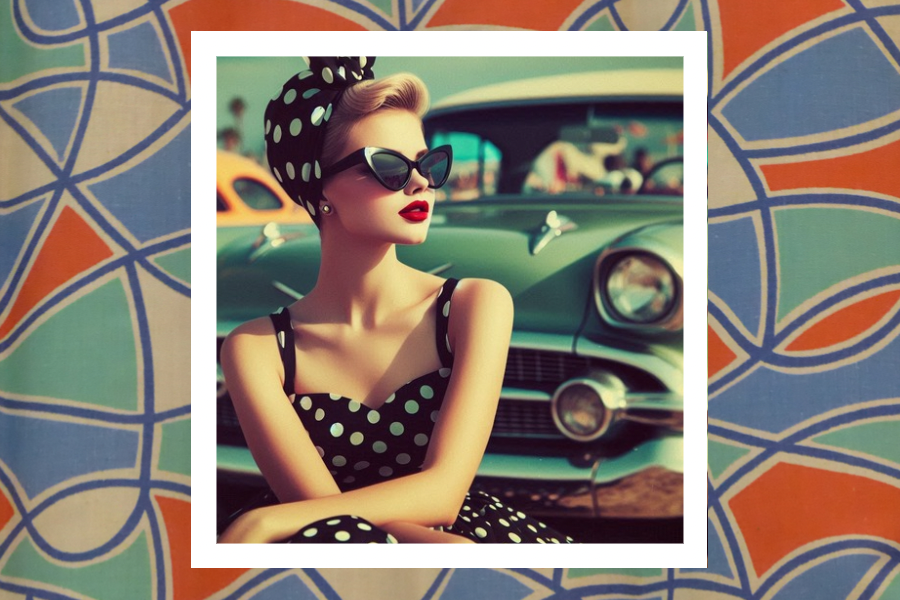
In the 1950s, beauty ideals celebrated a return to ultra-femininity and glamour, heavily influenced by Hollywood icons like Marilyn Monroe and Audrey Hepburn. The ideal body type was the hourglass figure, characterized by a cinched waist, full bust, and curvy hips, often accentuated with corsets and girdles. Makeup trends emphasized a flawless complexion with creamy foundations and powders, bold red lips, and defined eyes with winged eyeliner. Hairstyles were polished and sophisticated, featuring soft curls and elegant updos. This era’s beauty ideals reflected a post-war desire for stability and traditional gender roles, with an emphasis on grace and elegance.
60s [Mod Subculture + Self-Expression]:
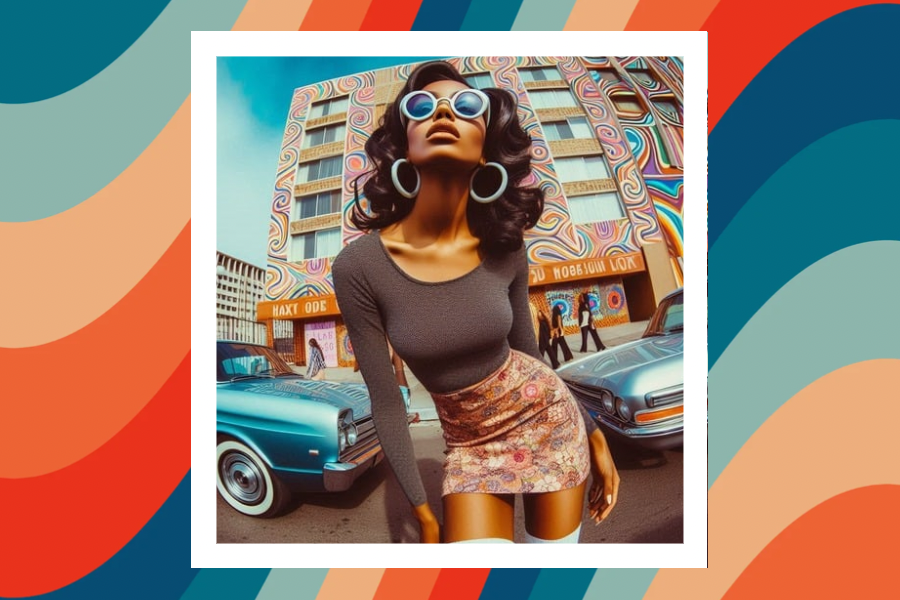
In the 1960s, beauty ideals shifted towards a more youthful and natural look, heavily influenced by the Mod subculture and iconic figures like Twiggy and Jean Shrimpton. The ideal body type was willowy and slim, with long legs and an adolescent physique. Makeup trends emphasized bold eyes with heavy mascara and eyeliner, often paired with pale lips. Hairstyles ranged from short, boyish cuts to voluminous, bouffant styles. This decade also saw a rise in self-expression and experimentation, breaking away from the conservative norms of previous eras.
70s [Hippie Vibes]
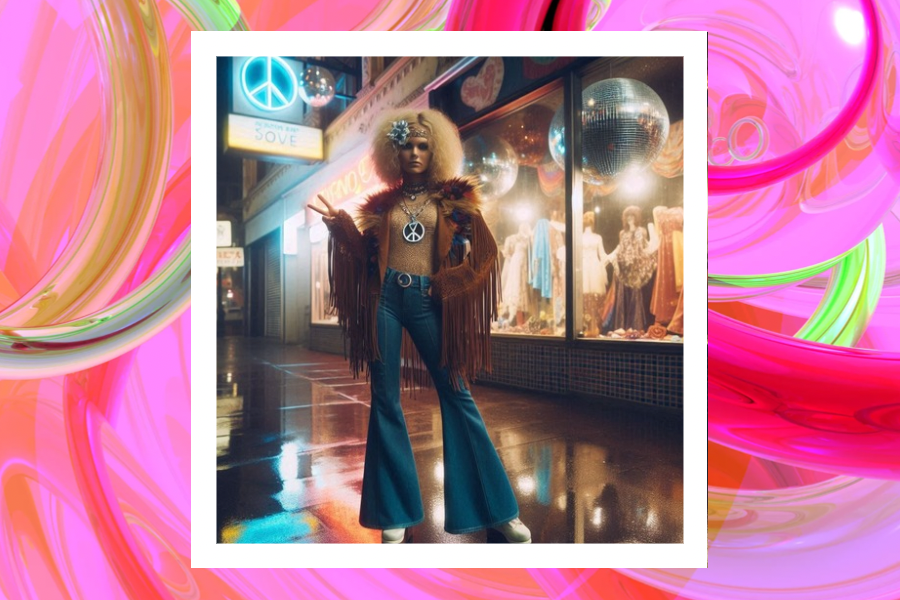
In the 1970s, standards embraced a more relaxed and natural aesthetic, reflecting the era’s countercultural movements and the rise of the “hippie” vibe. Women favored long, flowing hair, often styled with a center part, and sun-kissed skin achieved through natural tanning or bronzers. Makeup trends ranged from minimal with sheer foundations and nude lips to bold with dramatic eye makeup featuring pastel eyeshadows and statement lower lashes. The ideal body type was lean and athletic, yet curves were also celebrated, as seen in icons like Farrah Fawcett. This decade’s beauty ideals emphasized individuality and self-expression, moving away from the polished looks of previous eras.
80s [Pop Culture]:
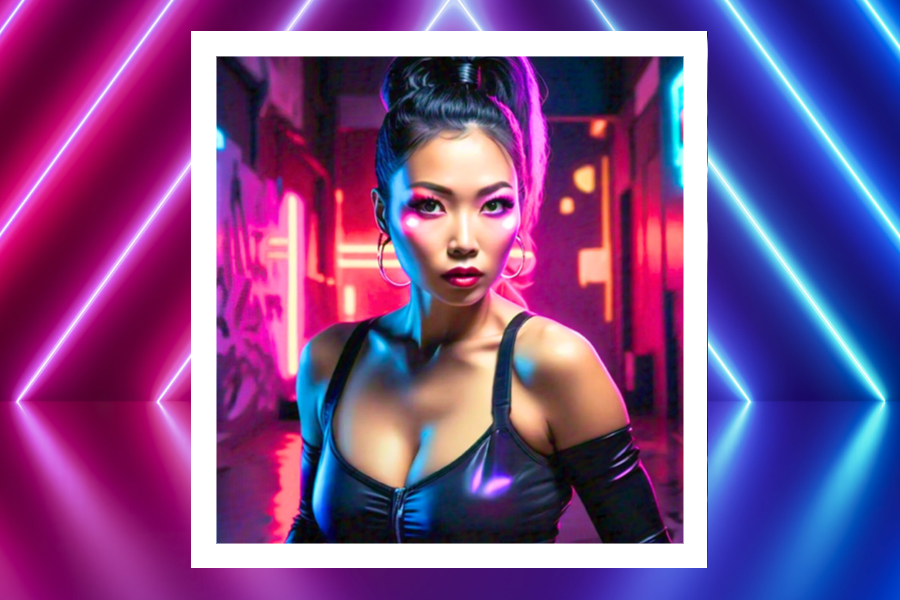
In the 1980s, beauty ideals were all about bold statements and excess, reflecting the decade’s vibrant and dynamic culture. The ideal look emphasized a “hard body” with a lean, toned physique, popularized by the fitness craze and aerobics trend. Supermodels like Cindy Crawford and Naomi Campbell set the standard with their tall, slender figures. Makeup was dramatic, featuring vibrant eyeshadows (think iconic blue), heavy blush, and bold lipstick shades. Hairstyles were equally extravagant, with voluminous curls and teased hair being the norm. This era’s beauty ideals were heavily influenced by popular culture and mass media, leading to a focus on perfection and often unrealistic standards.
90s [Grunge Galore]:
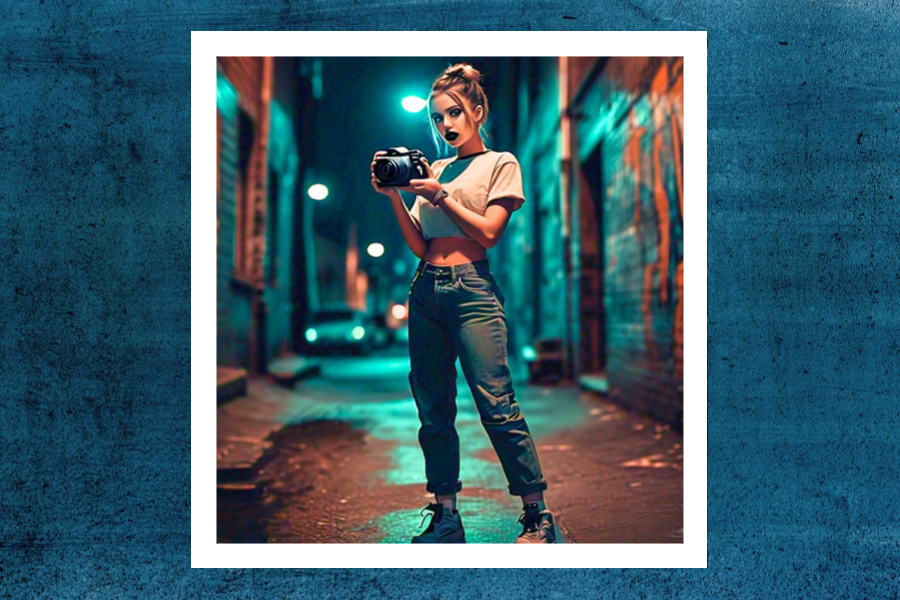
In the 1990s, beauty ideals were diverse and often contradictory, reflecting the decade’s eclectic cultural influences. The “heroin chic” look, epitomized by supermodel Kate Moss, featured extremely thin, androgynous bodies with pale skin and dark, smudgy eye makeup. This contrasted sharply with the athletic, toned figures popularized by fitness icons like Cindy Crawford. Makeup trends included matte foundations, brown lipsticks, and minimalistic eye makeup, while grunge fashion brought about a more undone, natural look. Hairstyles ranged from sleek, straight hair to the iconic “Rachel” cut made famous by Jennifer Aniston on “Friends”. This era celebrated individuality and self-expression, allowing for a wide range of beauty ideals to coexist.
From Gibson Girls to Grunge: The Dramatic Evolution of Beauty Ideals Throughout the 20th Century
The evolution of beauty standards throughout the 20th century is a fascinating journey, marked by dramatic shifts and cultural revolutions. Each decade brought its own unique ideals, often reflecting broader societal changes. The 1920s, for instance, saw the rise of the flapper, with women embracing shorter haircuts, boyish figures, and bold makeup as symbols of liberation and rebellion against traditional norms. However, by the 1950s, beauty standards swung back to more traditional gender roles, celebrating curvaceous figures and polished femininity epitomized by icons like Marilyn Monroe. This pattern of liberation followed by a return to traditionalism can be seen throughout the century, almost as if society was overcorrecting in response to each wave of change.
Despite these oscillations, the overall trend has been towards greater freedom and diversity in beauty ideals. The 1960s and 1970s, for example, brought about significant changes with the mod look and the natural, bohemian styles, respectively, each pushing the boundaries of conventional beauty. The 1980s’ bold and exaggerated features gave way to the minimalist and natural beauty of the 1990s and early 2000s. As the century progressed, there was a growing acceptance and celebration of diverse body types, skin tones, and individual expressions of beauty. This ongoing evolution highlights not only the changing aesthetics but also the increasing empowerment and freedom for women to define their standards of beauty.
Beauty Standards Today
Positive Aspects of Beauty Standards Today:
Beauty ideals today are more inclusive and diverse than ever before. Unlike a century ago, when rigid and narrow ideals dominated, today’s standards celebrate a wide range of body types, skin tones, and unique features. This shift has been driven by social movements and a growing awareness of the importance of representation. For instance, the body positivity movement has encouraged acceptance of all body shapes and sizes, promoting self-love and confidence Additionally, the fashion and beauty industries have made strides in featuring models and influencers from various ethnic backgrounds, ages, and abilities, reflecting a more realistic and relatable image of beauty.
Moreover, technology and social media have democratized beauty, allowing individuals to define and showcase their own standards. Platforms like Instagram and TikTok have given rise to influencers who challenge traditional norms and inspire others to embrace their unique beauty. This has fostered a culture where everyone can find role models who look like them, breaking down the barriers of conventional beauty ideals. As a result, people today have more freedom to express themselves and feel beautiful in their own skin, a significant leap from the restrictive standards of the past.
Negative Aspects of Beauty Standards Today:
Despite these positive changes, beauty ideals today still have their drawbacks, particularly due to the influence of social media. Platforms like Instagram and Snapchat often promote unrealistic and highly edited images, creating pressure to conform to these unattainable ideals. This can lead to negative self-esteem, body dysmorphia, and other mental health issues, especially among young girls. The constant exposure to filtered and photoshopped images can make it difficult for individuals to appreciate their natural beauty, fostering a culture of comparison and dissatisfaction.
Furthermore, the addictive nature of social media exacerbates these issues. Young girls, in particular, are vulnerable to the pressures of maintaining a perfect online persona. Studies have shown that excessive social media use is linked to higher rates of anxiety, depression, and poor body image. The desire to gain likes and followers can drive individuals to go to extreme lengths to alter their appearance, sometimes resorting to unhealthy practices. While social media has the potential to be a force for good, its impact on beauty standards and mental health remains a significant concern that needs to be addressed.
Conclusion
In conclusion, beauty ideals have come a long way throughout history. From the ancient Greeks’ emphasis on symmetry to the Victorian era’s restrictive ideals of femininity, society’s perception of beauty has evolved and changed over time. While beauty ideals still exist in today’s society, there is a growing movement towards embracing diversity and breaking traditional boundaries. The focus is shifting towards inclusivity and celebrating the unique qualities that make each individual beautiful in their own way.
As we progress as a species, it’s important to challenge and question these standards, recognizing that beauty is subjective and should not be confined to narrow definitions. In contrast, embracing diversity and celebrating individuality is the key to creating a more inclusive and accepting society for all. That sounds like the kind of world I’d love to live in!
Let me know your thoughts in the comment section below and thanks so much for reading! xoandie
Continue Learning
Here are a few articles I have personally found interesting on this topic:
